Individualized learning plans are designed to meet the unique needs of each child, targeting specific areas like reading, writing, or behavioral skills.
Programs often include one-on-one tutoring, speech therapy, occupational therapy, and the use of assistive technologies.
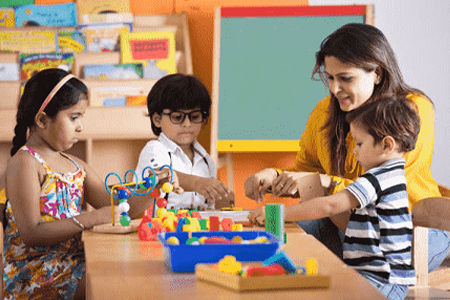
Early intervention often utilizes methods that engage multiple senses, like visual, auditory, and tactile strategies, to help children grasp concepts more effectively.
Parents are key partners in the early intervention process, receiving guidance on how to support their child’s development at home and working closely with educators and specialists.
Teachers receive training on identifying early signs of learning difficulties and are equipped with intervention strategies to support affected students in the classroom.
Early intervention not only improves a child’s academic performance but also boosts their confidence, social skills, and emotional well-being. It reduces the likelihood of future challenges, including dropping out of school or struggling with self-esteem issues.